
How to get a job with no experience
Picture this: You wake up early, dress well and walk into an interview feeling confident. You have all the necessary academic documents and at this point, you believe the job is already yours. But then comes the question: “How many years of experience do you have?” For many people starting their career, this question becomes the biggest obstacle, even when applying for entry jobs and internships, where competition is high and standing out is difficult.
In that moment, everything changes. Suddenly your first class degree is not as important as you had thought. And without experience, employers keep turning you away again and again. This is a problem many job seekers especially the fresh graduates face today, where getting a job requires experience, but getting experience requires a job.
To understand this challenge, look at the difference between experience and skills. Experience is knowledge and wisdom you gain over time, often measured in years. Skills, on the other hand, is the ability to perform a task well developed them through consistent practice and training.
Experience is often specific to one job. For example, someone may have experience in accounting, music or digital marketing, but not in many other areas. However, skills like communication and problem solving can be used in any job.
This means a person may have a skill but little experience, or have experience but not be very skilled. Both situations can make it hard to get employed.
Understanding the gap between education and getting a job
Moving forward, it is important to understand the difference between knowledge and education. You gain knowledge through learning or experience, while education gives you a structured way to build knowledge, skills and values
Knowledge can come from reading, observing and researching, it can also be practical or theoretical while education follows a curriculum and provides tools.
However, understanding something is not enough. You need to apply it in real situations. This is where practical exposure becomes important.
Internships provide short term opportunities focused on learning and gaining experience. Employers often offer internships as unpaid or low-paid roles and closely supervise them. On the other hand, jobs last longer, come with more responsibility and provide pay and benefits
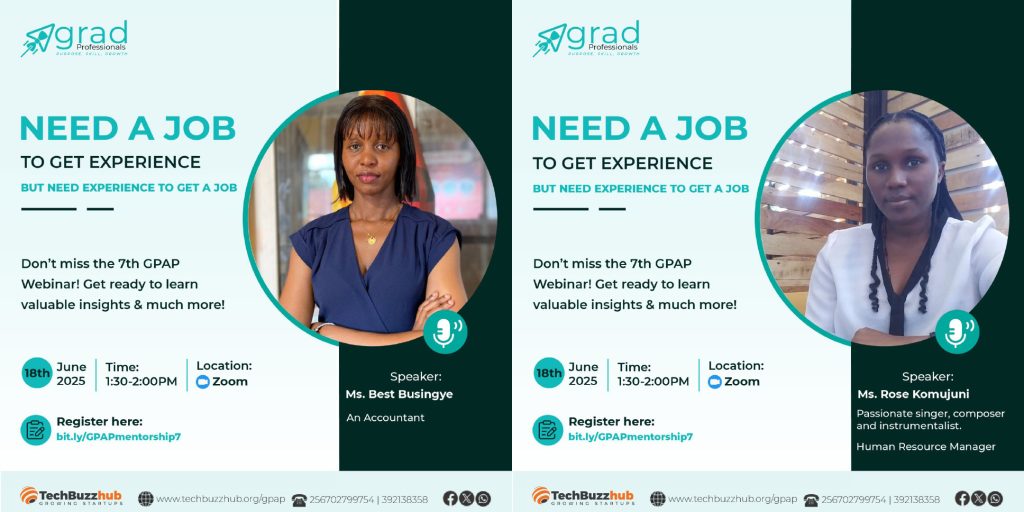
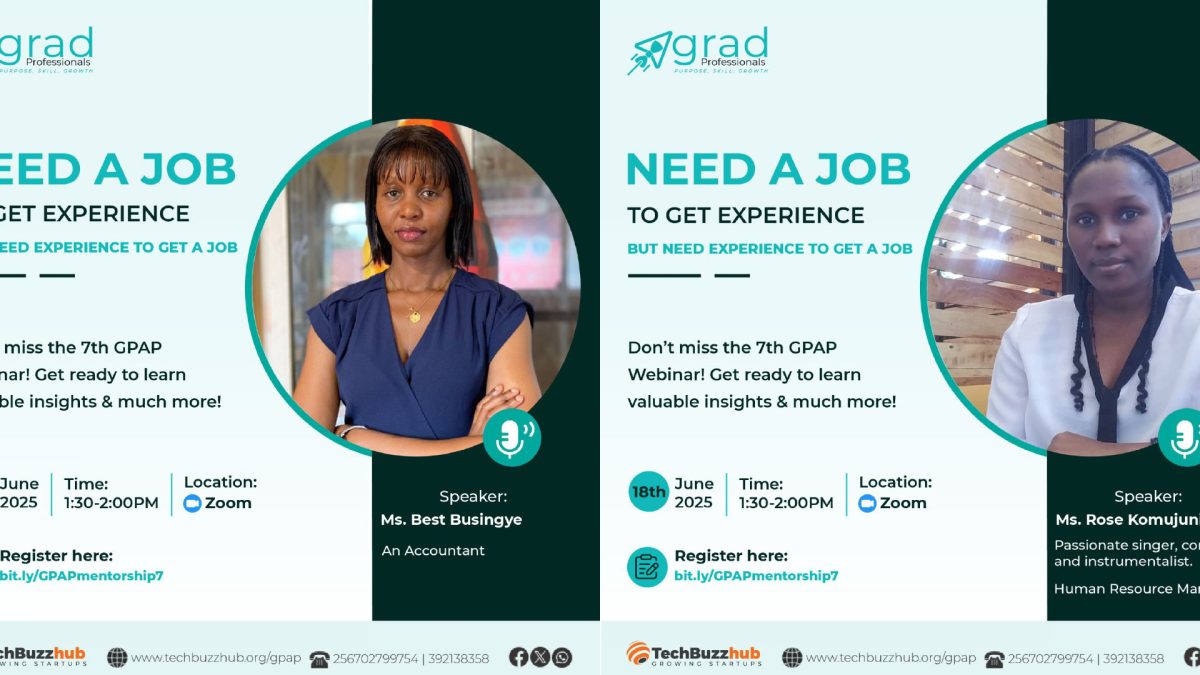
Because of this, internships act as a stepping stone to employment. They help individuals gain experience and understand workplace expectations, while jobs require a person to already know what to do and work with minimal supervision. In some cases, apprenticeship programs such as the Graduate Professionals Apprenticeship Program combine structured learning, mentorship and real work experience to help individuals transition more smoothly into the job market.
How to break the experience cycle
Given this reality, breaking the cycle of needing experience becomes necessary. One way to do this is by building a strong portfolio. For example, creating projects such as websites can demonstrate ability and show practical work.
In addition, networking plays an important role. Interacting with people can lead to opportunities and references. Learning in demand tools online and taking short courses can also improve employability because they provide certifications and proof of skill. In fact, continuous skill development is becoming essential to remain competitive in today’s job market, as highlighted in the World Economic Forum’s Future of Jobs Report.
Another approach is to take advantage of entry jobs that include training. Some apprenticeship programs like GPAP provide both learning and hands-on experience in a real work environment.
As the job market continues to change, individuals must also adapt. Technology is changing how people work, so you need to keep updating your skills to stay competitive
In the end, success comes from combining education, knowledge, skills and experience. Instead of waiting for the perfect opportunity, it is better to start somewhere, gain experience and grow over time.