

How to Get a Job With No Experience
Every day, thousands of people wake up with the same routine. They check LinkedIn, browse job boards, and refresh their email hoping for an interview invitation. Finally they come across a vacancy that matches their qualifications, only to reach the requirements section and read, “Minimum two years’ experience.”
Disappointed, they scroll to another opportunity. “At least three years’ relevant experience.” Then another. “Previous work experience required.” For many graduates and career changers, the excitement of finding an opportunity quickly turns into frustration.
The question becomes inevitable: How do you get experience if every employer expects you to already have it?
It’s a question that has discouraged countless talented people from applying for opportunities they were capable of doing. But here’s the interesting part: if employers only hired people with experience, no one would ever get their first job. Clearly, that’s not how the job market works.
So what are employers actually looking for?
The answer is more practical and more encouraging than most people think.
Why Do Employers Ask for Experience?
When employers ask for experience, they are rarely expecting someone to know everything from day one. What they’re really looking for is evidence that you can solve problems, communicate professionally, work well with others, meet deadlines, learn quickly, and take responsibility. Experience is simply one way of proving those qualities.
The mistake many job seekers make is believing that employment is the only way to build credibility. It isn’t. There are many other ways to demonstrate your value before someone hires you. Here are seven practical strategies that can help you stand out.
1. Tailor Your CV for Every Job
Imagine receiving fifty CVs for a single vacancy. Most look almost identical. They use the same layout, the same generic objective statement, and the same list of skills copied from somewhere online.
Now imagine one CV that immediately speaks to the employer’s requirements. It highlights relevant projects, transferable skills, and achievements that directly relate to the role. Which one is more likely to get noticed?
Employers aren’t necessarily looking for the best CV, they’re looking for the most relevant one. Take time to understand what each employer is asking for and tailor your CV accordingly. Even if you haven’t held a formal job before, university projects, volunteer work and leadership positions can all demonstrate valuable skills.
2. Build Skills Employers Actually Need
A qualification may help you qualify for a role, but practical skills often determine whether you get hired.
Ask yourself a simple question: If you were the employer, what skills would convince you to hire yourself?
Depending on your chosen career, those skills might include communication, project management, customer service, data analysis or problem-solving. Alongside technical abilities, employers consistently value soft skills such as teamwork, adaptability, professionalism, and critical thinking.
The more value you can demonstrate before you’re hired, the easier it becomes for an employer to imagine you succeeding in the role.
3. Find Ways to Build Experience Before Someone Gives You a Job
One of the biggest myths in career development is that experience only comes from employment. In reality, experience can be gained in many different ways.
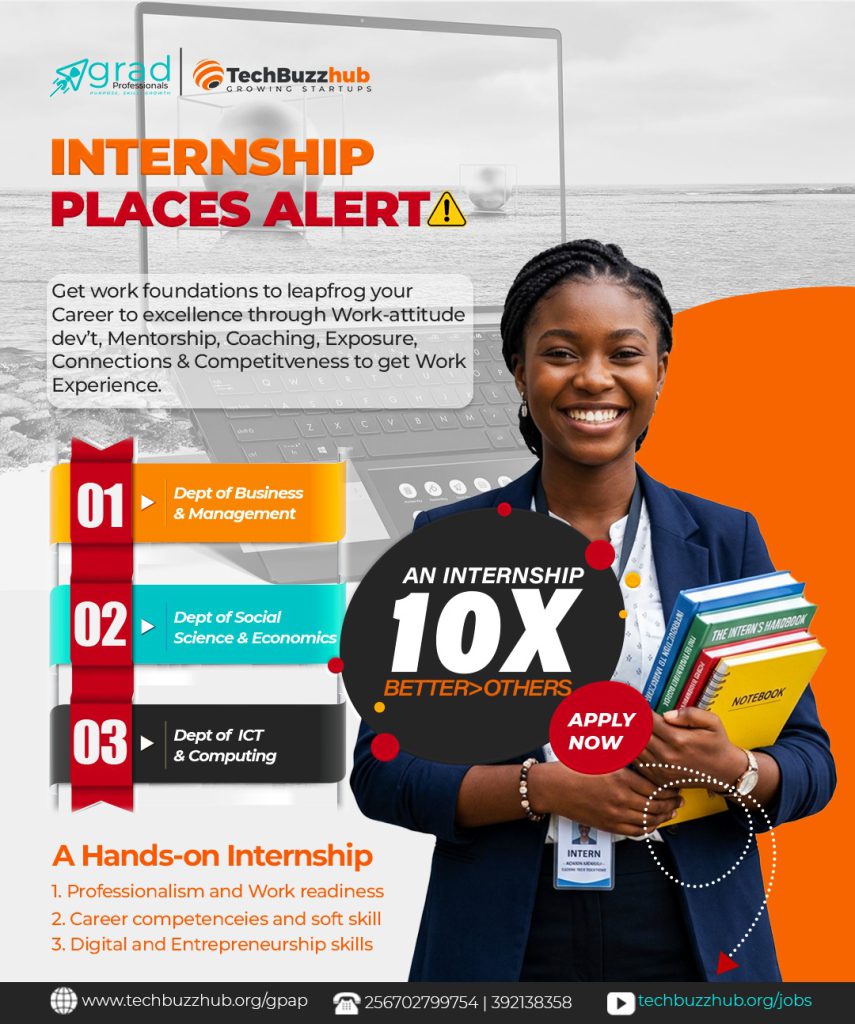
Internships, graduate trainee programmes, volunteer work, freelance projects, community initiatives, student leadership positions, and personal projects all provide opportunities to develop practical skills and build confidence.
Think about a graphic designer applying for their first job. An employer is far more likely to be impressed by someone who has created designs for local businesses, charities, or university events than someone with an empty portfolio. The same principle applies across almost every profession.
Don’t wait for permission to start building experience. Create opportunities to practise your skills.
4. Prepare for Interviews Before You’re Invited
Many people only begin preparing for interviews after receiving an invitation. By then, they are often trying to learn everything at the last minute.
Interview preparation should start much earlier. Familiarise yourself with common interview questions, practise introducing yourself confidently, and prepare examples that demonstrate your skills and achievements. Most importantly, learn how to explain your lack of experience without apologising for it.
Confidence isn’t something that appears on interview day. It’s built through preparation and practice.
5. Build Relationships, Not Just Applications
Some job seekers spend months submitting applications without speaking to a single professional in their industry. Others invest time in building relationships, attending career events, participating in webinars, and connecting with professionals online.
Networking isn’t about asking strangers for jobs. It’s about becoming visible, learning from others, and creating genuine professional relationships.
The more people who know your career goals and recognise your commitment, the more likely you are to hear about opportunities that never make it to public job boards.
6. Apply Strategically Instead of Emotionally
Job searching can be exhausting. After repeated rejections, it’s tempting to apply for every vacancy you come across. Unfortunately, that usually leads to more disappointment because rushed applications rarely match what employers are looking for.
A better approach is to focus on quality over quantity. Read every job description carefully, tailor your application, and ensure your CV reflects the specific requirements of the role. Keep track of your applications and follow up professionally where appropriate.
A thoughtful application is almost always more effective than sending the same documents to dozens of employers.
7. Become Workplace Ready
Many candidates have the qualifications employers ask for but still struggle to secure opportunities because they haven’t developed the practical behaviours expected in a professional environment.
Being workplace ready means understanding how to communicate professionally, collaborate with others, solve problems, manage your time, adapt to workplace expectations, and take initiative. These are the qualities employers often assess during interviews, even before discussing technical skills.
Structured programmes that combine practical training, mentorship, and workplace exposure can help bridge the gap between academic knowledge and professional practice, giving candidates greater confidence as they enter the job market.
Getting a job with no experience isn’t about finding an employer willing to lower their standards. It’s about becoming someone who can meet those standards in different ways.
Ready to Become Workplace Ready?
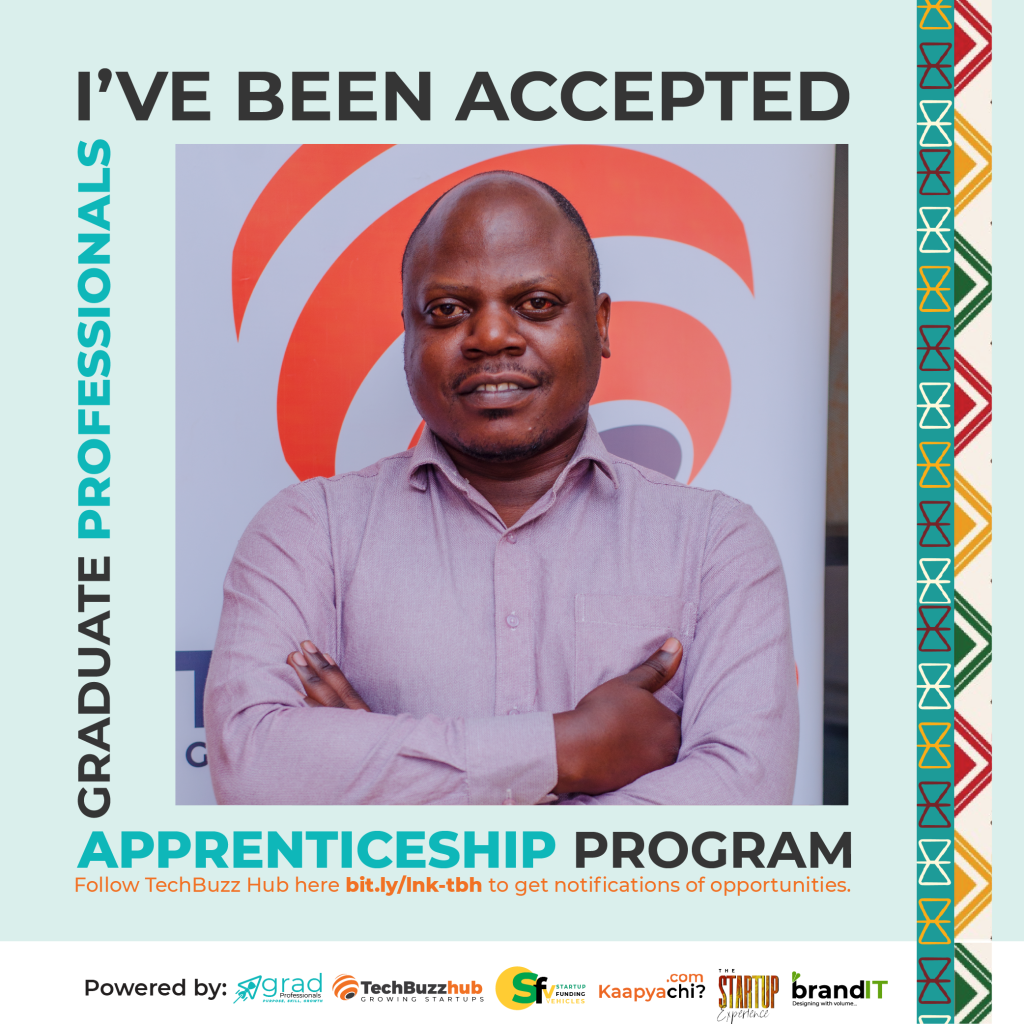
If you’re looking to bridge the gap between academic knowledge and workplace expectations, the Graduate Professionals Apprenticeship Programme (GPAP) equips graduates and career changers with practical skills, mentorship, and real-world workplace exposure to help them become more competitive in today’s job market.
Learn more about GPAP and take the next step toward your career.